Art Truck #010, an exhibition of socially engaged art
An exhibition and text by Oriane Emery & Jean-Rodolphe Petter, curated based on a cultural mediation project conceived and led by Destination vingt-sept in collaboration with the Bois- Mermet Prison and the Art Collection of the City of Lausanne (CAL).
We approached this exhibition by listening. First, the cultural-mediation association Destination vingt-sept designed and led workshops at Bois-Mermet Prison with a group of around ten detained people between January and April 2025. From these encounters, we then imagined a space where their voices, images, and stories can circulate—not as “documents” about prison, but as ways of speaking about the world from a place too often reduced to silence. In practical terms, you will find images, texts, and audio recordings made in that context, presented with restraint so that listening comes first.
At the heart of the project, we understand translation as a reciprocal passage—a way to let viewpoints circulate without flattening or ranking them. In this spirit, the works on view are woven around a selection from the City of Lausanne Art Collection—Lorna Bornand, David Gagnebin-de Bons, Elise Gagnebin-de Bons, Sylvie Mermoud, Maurice Pittet— assembled by Chantal Rey, curator of the City of Lausanne Art Collection, following a commission formulated by the workshop participants. No work was imposed from the outside: these are chosen affinities. Shifting “who chooses” is already a situated form of translation: it recenters the gaze, redistributes speech, and makes the conditions of production visible.
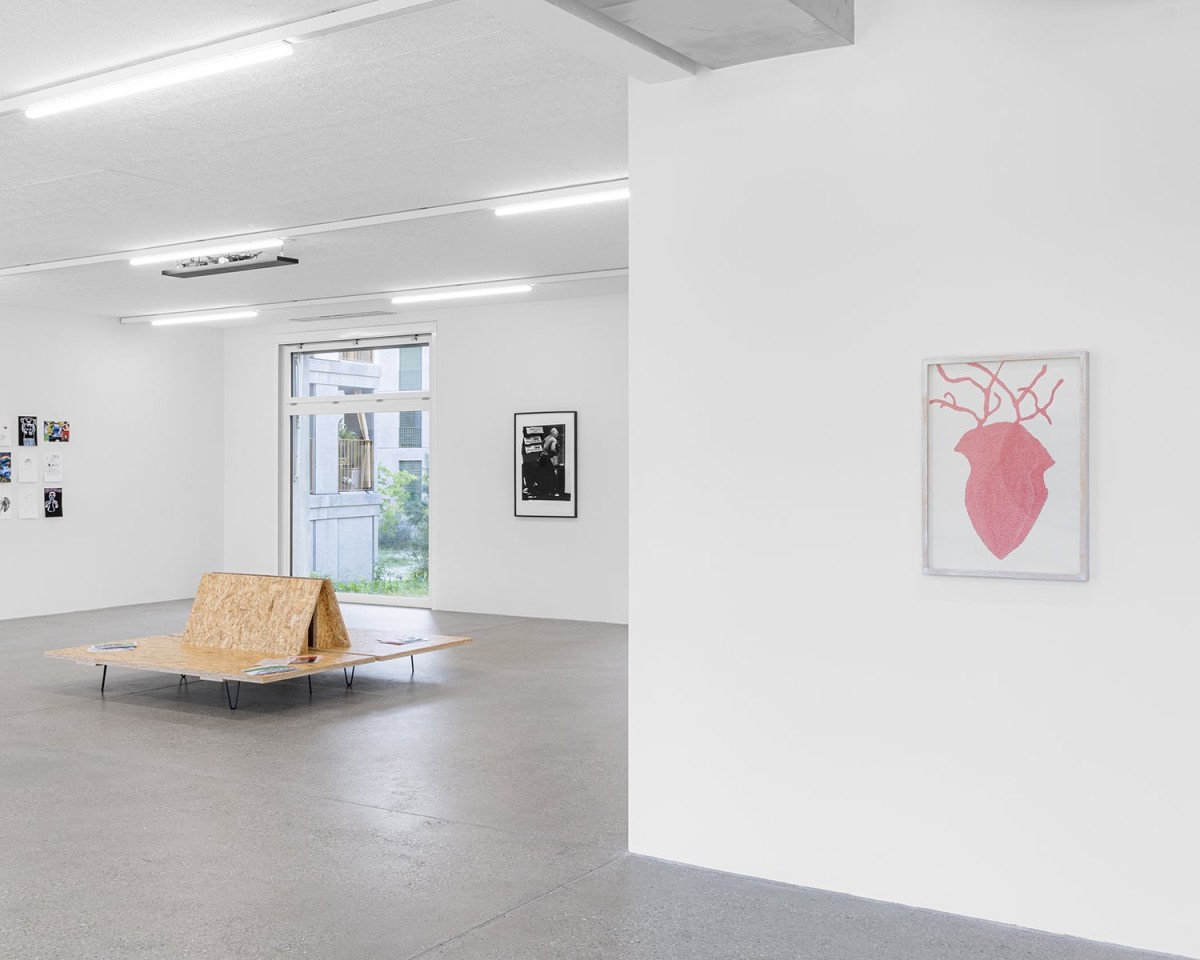
Exhibition view "Art Truck #010" 2025, CALM – Centre d'Art La Meute, photo : Théo Dufloo.
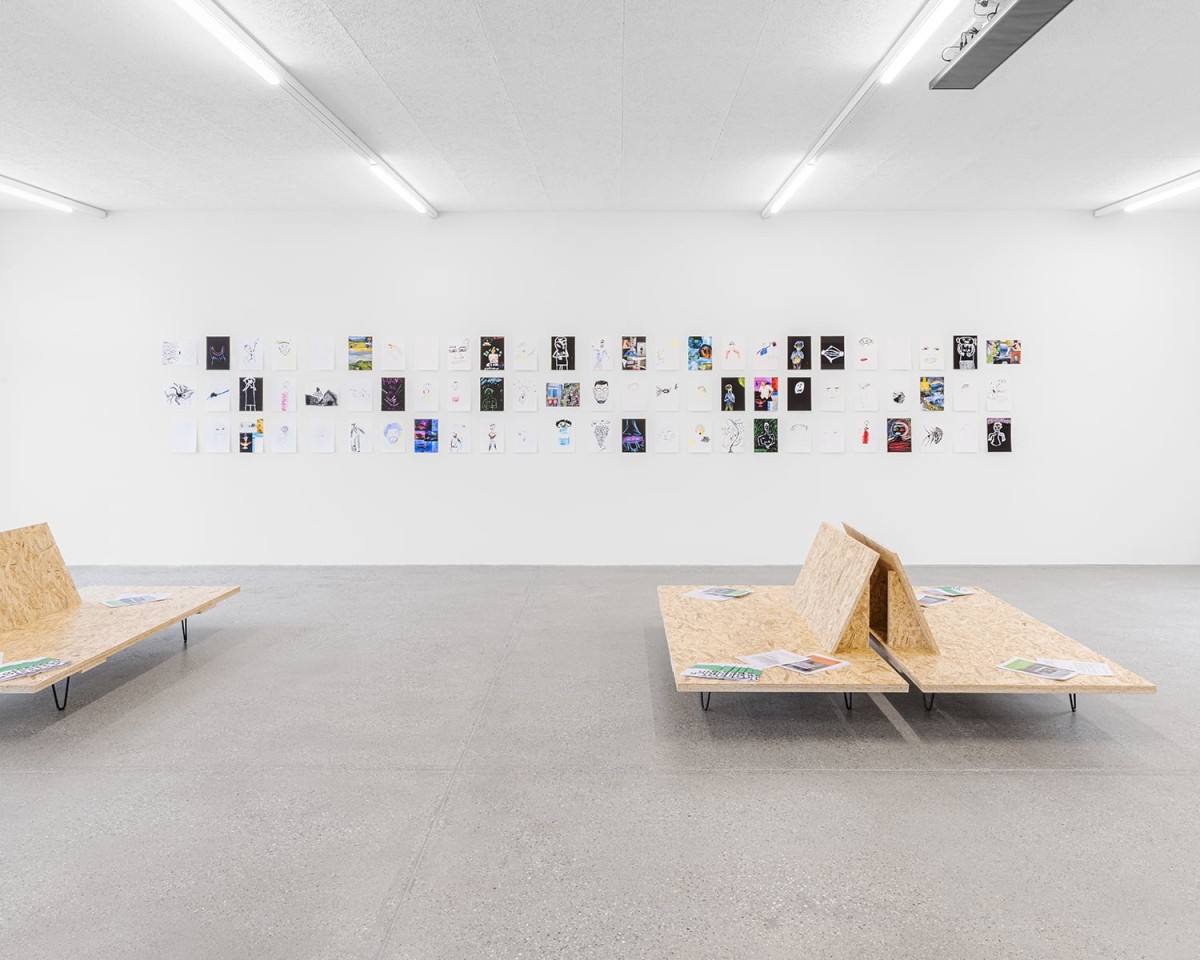
Exhibition view "Art Truck #010" 2025, CALM – Centre d'Art La Meute, photo : Théo Dufloo.
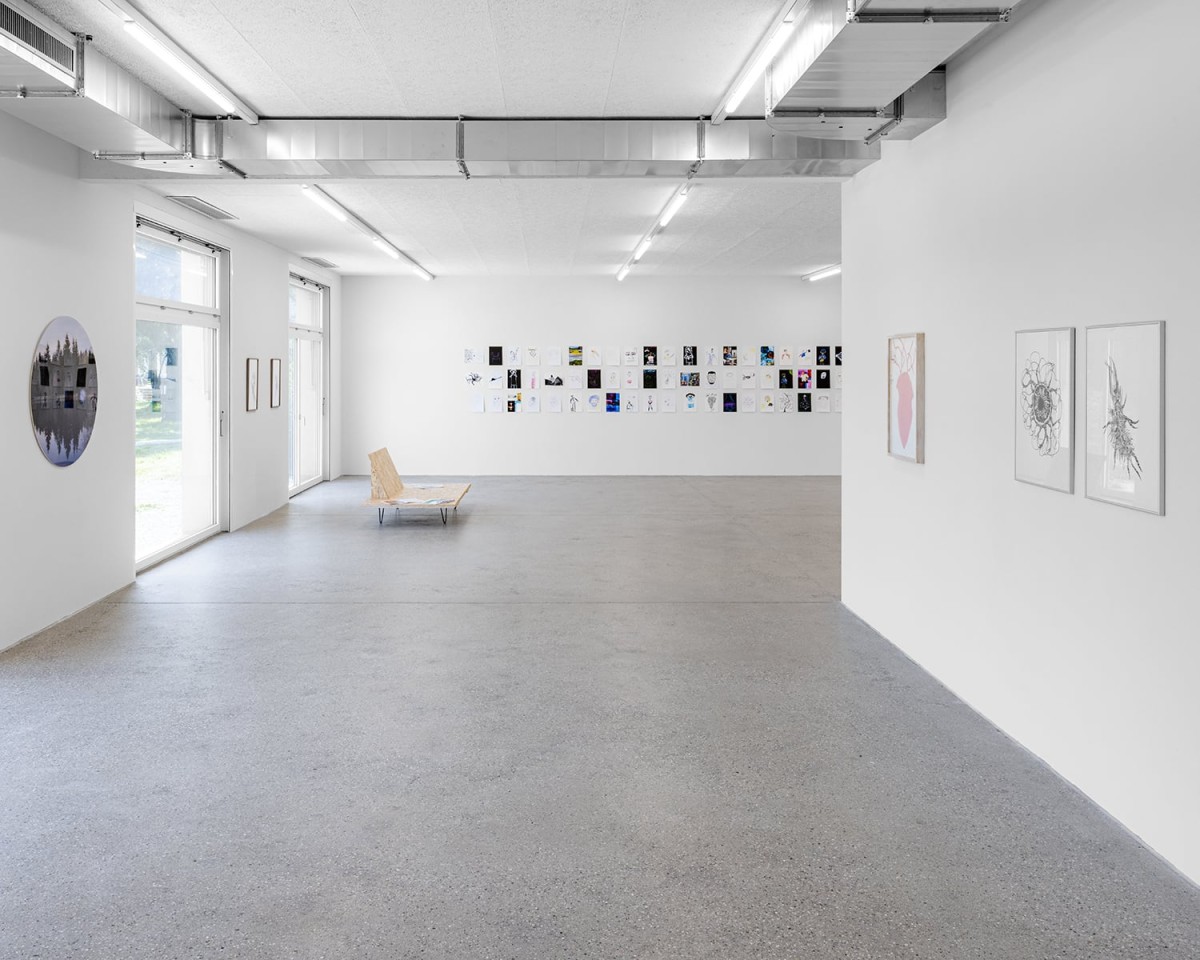
Exhibition view "Art Truck #010" 2025, CALM – Centre d'Art La Meute, photo : Théo Dufloo.
Here, translating does not mean “explaining prison” to the public; it means building two- way passages between experiences, languages, and histories. Following the Senegalese philosopher Souleymane Bachir Diagne, translation is just only if it transforms the listener as much as the speaker. And with the French philosopher Barbara Cassin, we acknowledge that there are untranslatables—words, silences, and shadow zones that must be welcomed rather than forced. The formats favored by Annie Chelma and Morgane Ischer (Destination vingt-sept) for the workshops—texts, images, voices—remain deliberately simple, so that listening takes precedence over spectacle.
Saidiya Hartman’s thinking clarifies our approach: prison is not an isolated object but a web of relations that exceeds the walls—policing, social life, administration—and extends long histories of domination. Inspired by what she calls critical fabulation—a way of writing and showing that repairs erased lives without instrumentalizing them—we treat images, texts, and voices not as evidence to prosecute, but as open, felt hypotheses: scenes of address, waywardness, and invention in which those living through confinement define how they appear.
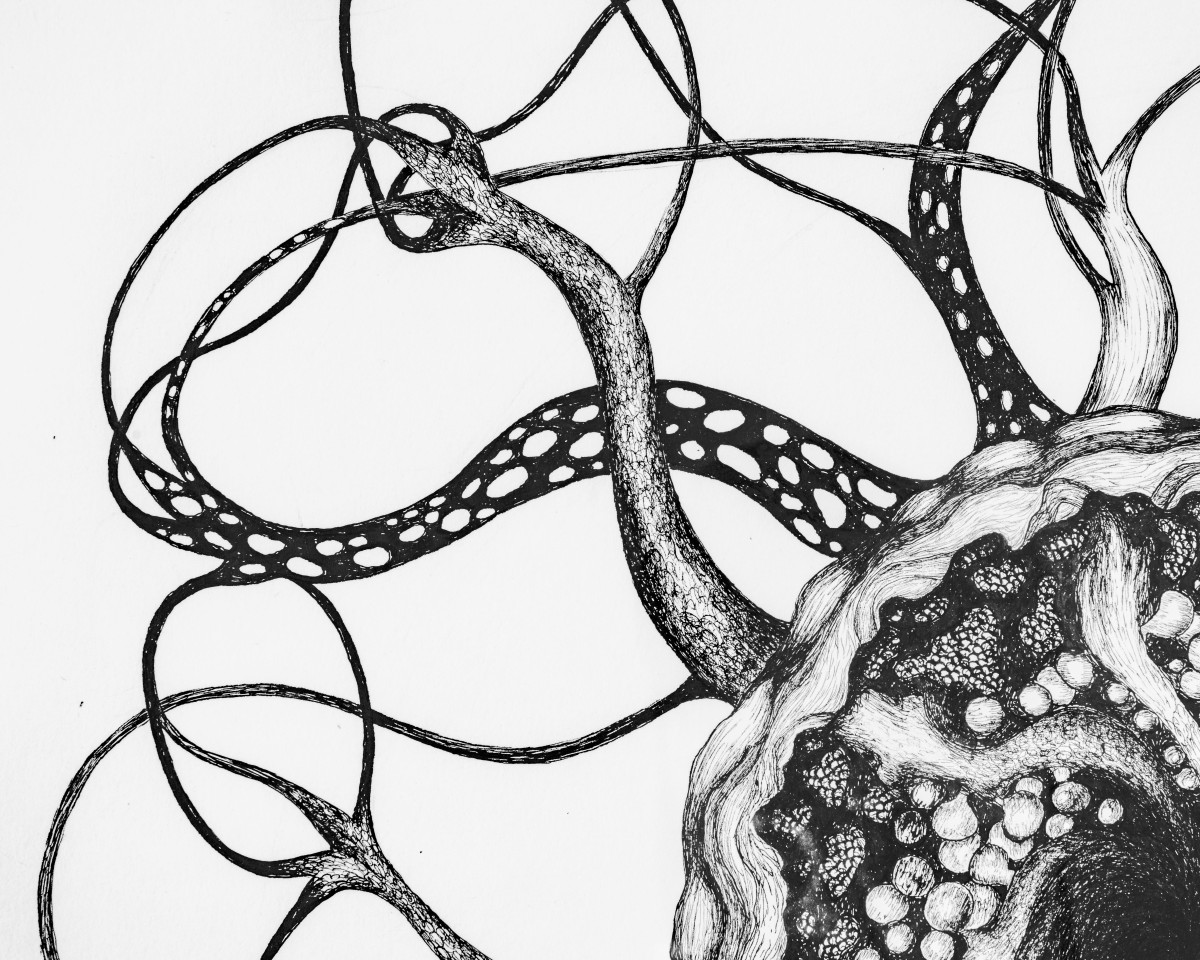
Sylvie Mermoud, untitled, detail, 2010, Indian ink drawing, 65 x 50 cm, Art Collection of the City of Lausanne, photo: Théo Dufloo.
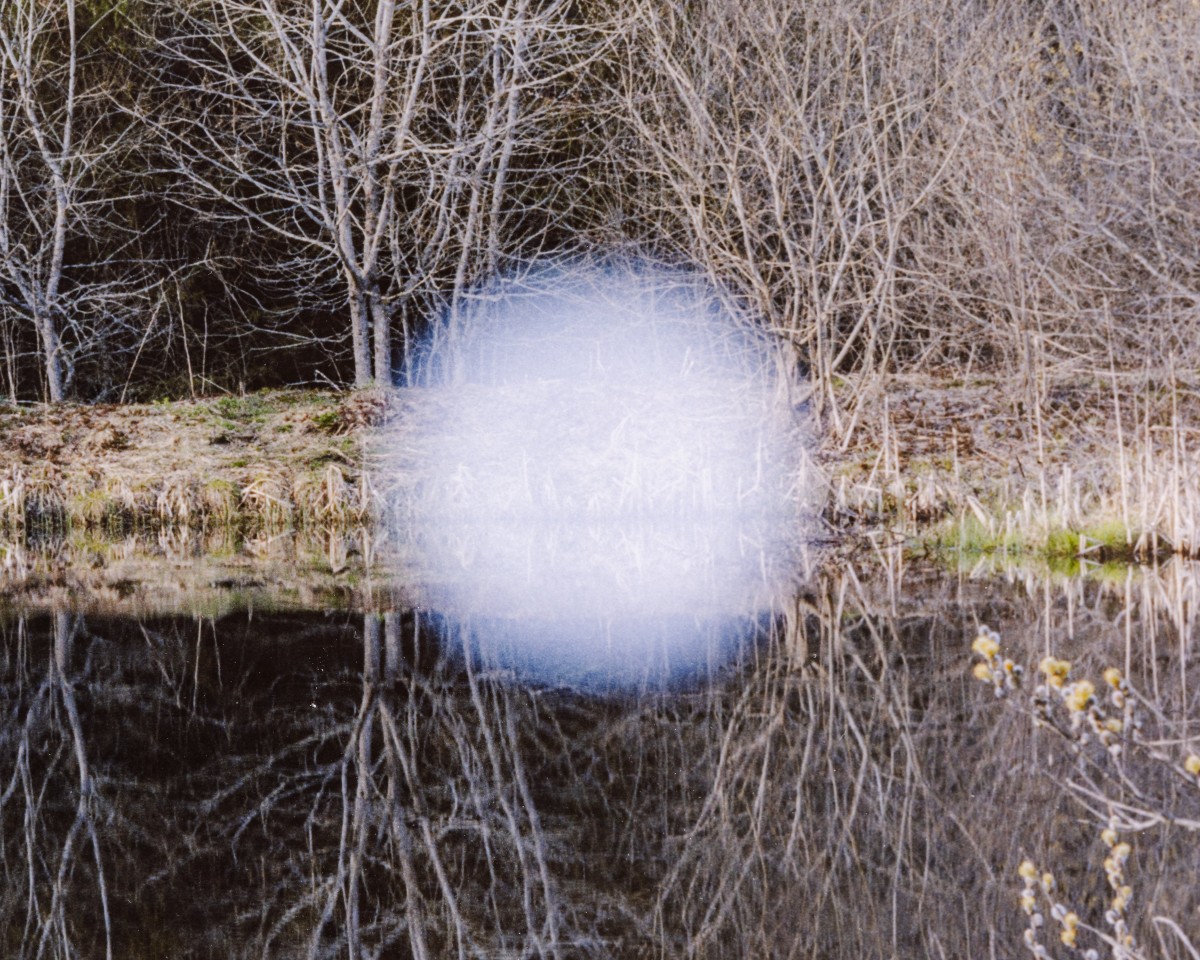
David Gagnebin-de Bons, Point d’assemblage 3, detail, 2019, photograph on paper, 100 cm in diameter, Art Collection of the City of Lausanne, photo: Théo Dufloo.
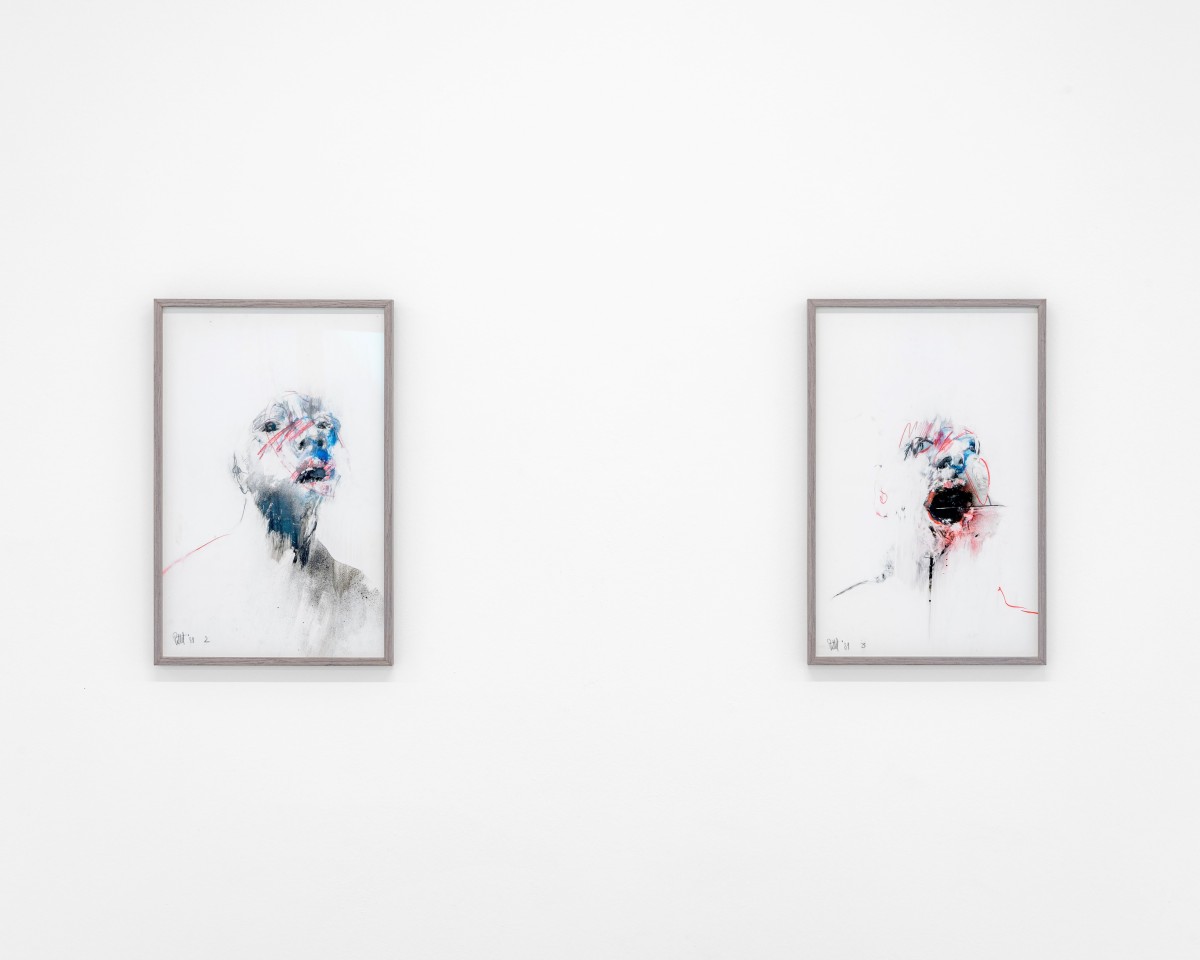
Maurice Pittet, Portrait 2 ; Portrait 3, 1981, drawing, pencil and ink, 55 x 35 cm, Art Collection of the City of Lausanne, photo: Théo Dufloo.
Translating in Lausanne, Summer 2025. In our city, the present moment shapes how this exhibition is received: the revelation of racist messages exchanged in a police WhatsApp group, and the deaths of Camila (14), Marvin Shalom Manzila (17) and Sirage Mohamed Nur (43, father of three) have shaken trust and reminded us that violence is not confined within any one institution’s walls (proceedings are ongoing at the time of writing). We refuse to neutralize these facts. Translation here means holding different times together: the time of mourning and the time of procedures; the long time of workshops and the urgency of the streets; the tempo of official communiqués and the tempo of private anger. In echo with the research project “No Linear Fucking Time” (BAK, Utrecht), we refuse the idea of a single, uniform time. This exhibition lets different temporalities coexist: the families’ mourning, the slower pace of administrative and legal processes, the rhythm of prison workshops, and the urgency of city-wide mobilizations. By keeping them together, we look for more livable times—times in which those most directly concerned set the direction of the story.
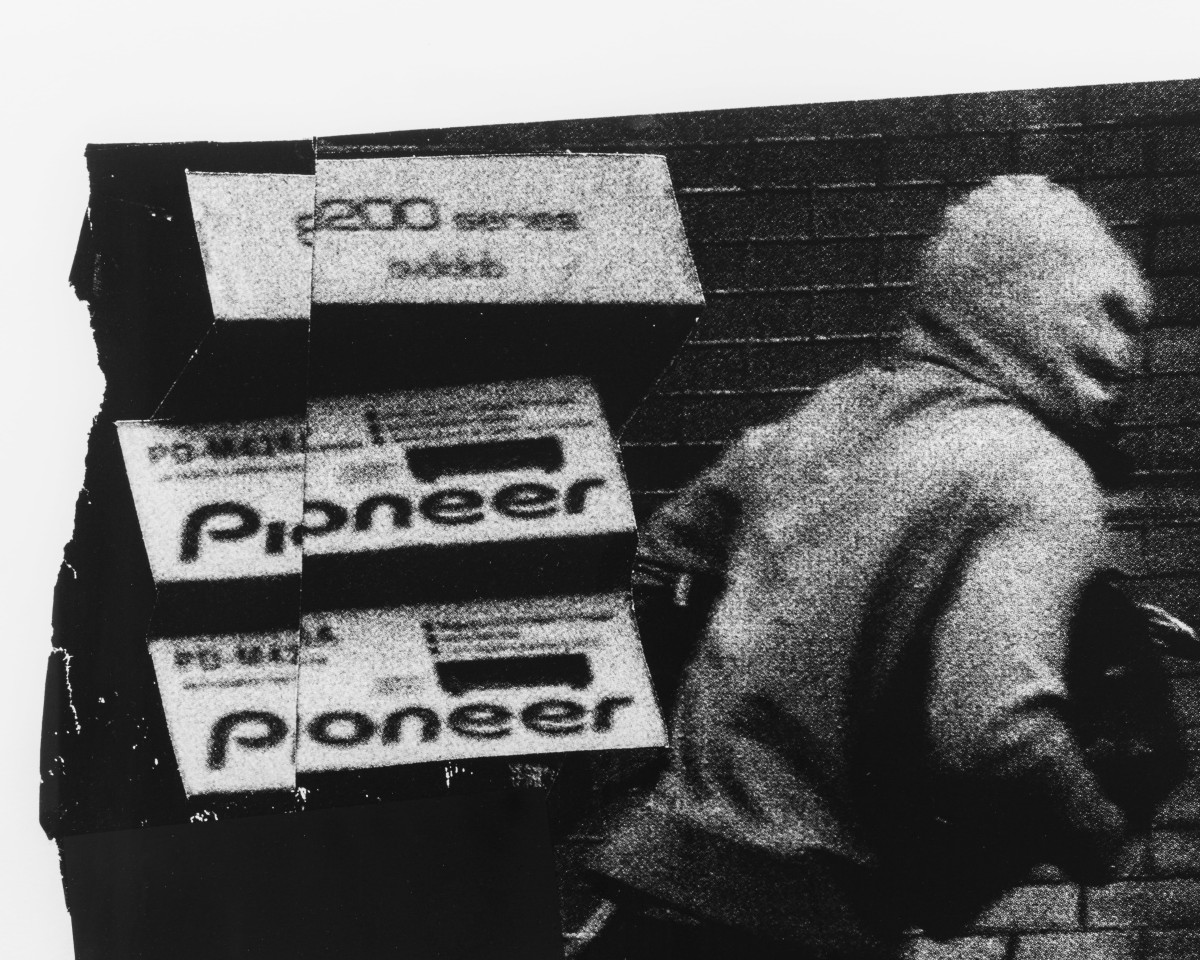
Élise Gagnebin-de Bons, Pioneer, detail, 2019, print and spray paint, 98 x 68 cm, Art Collection of the City of Lausanne, photo: Théo Dufloo.
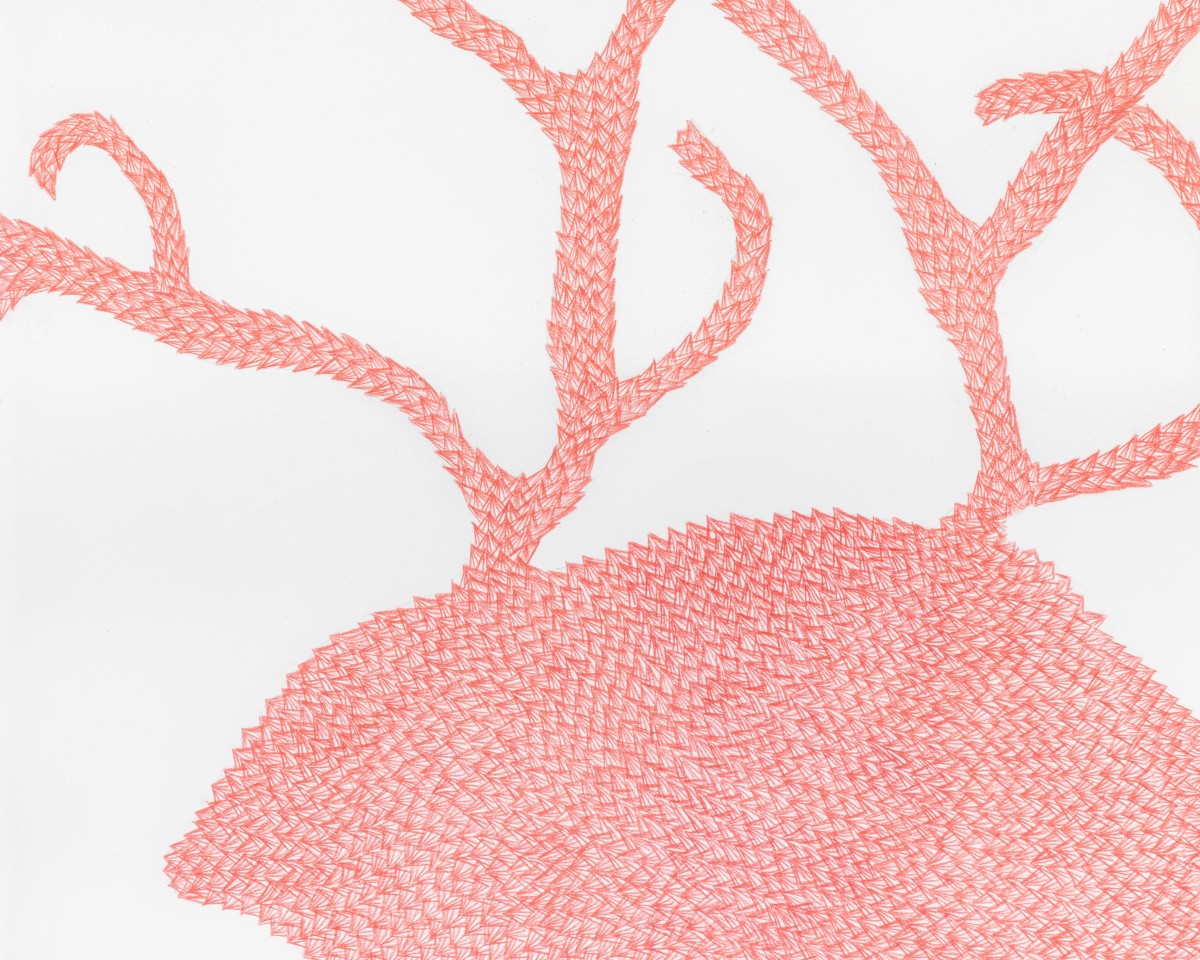
Lorna Bornand, untitled, detail, 2004, pencil drawing on paper, 68.5 x 48.5 cm, Art Collection of the City of Lausanne.
The project in fact began inside: a first exhibition conceived by the group of detained participants, Juste de l’autre côté... (Just on the Other Side...), was presented at Bois- Mermet Prison on 1 May 2025. The reproductions on view at CALM speak with those displays still in place. Circulation does not run in a single direction: it links two institutions— cultural and carceral—without confusing them, making the exhibition a bridge rather than a showcase. What guides us is not good conscience but the rightness of relations: not speaking in anyone’s place; making production conditions visible; and acknowledging that prison is not a “theme” but a situated political reality.
Nothing here is spectacular: that is a choice. You will hear voices that are sometimes fragile, sometimes cutting; you will see images that do not illustrate prison but open perspectives from within it; you will read texts that do not exhaust the experience but frame it, so that further speech can emerge. In this economy of means, translation becomes a politics of care: to move without dispossessing.
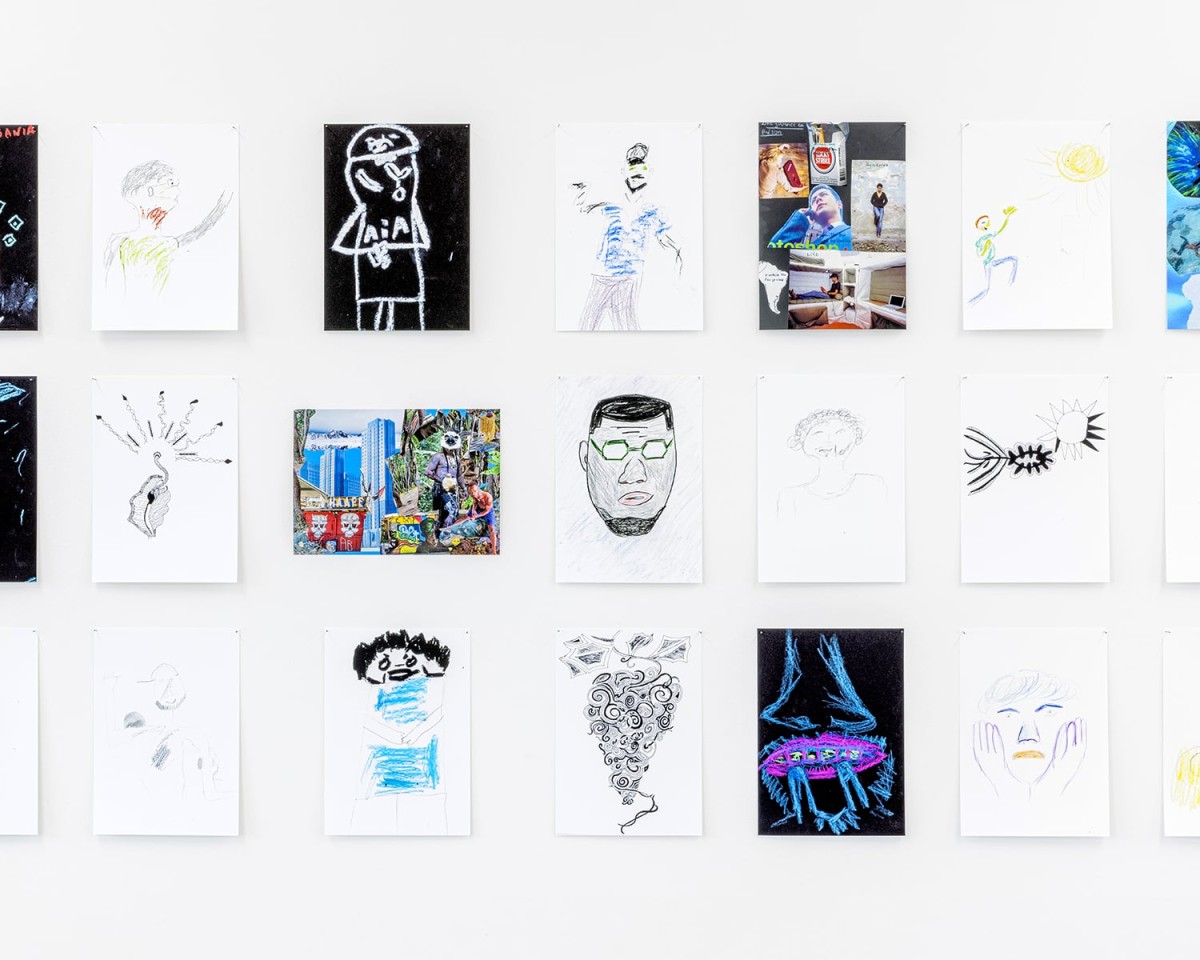
Reproduction of visual works created by inmates during 13 workshops held at Bois-Mermet Prison between January and May 2025, detail, photo: Théo Dufloo.
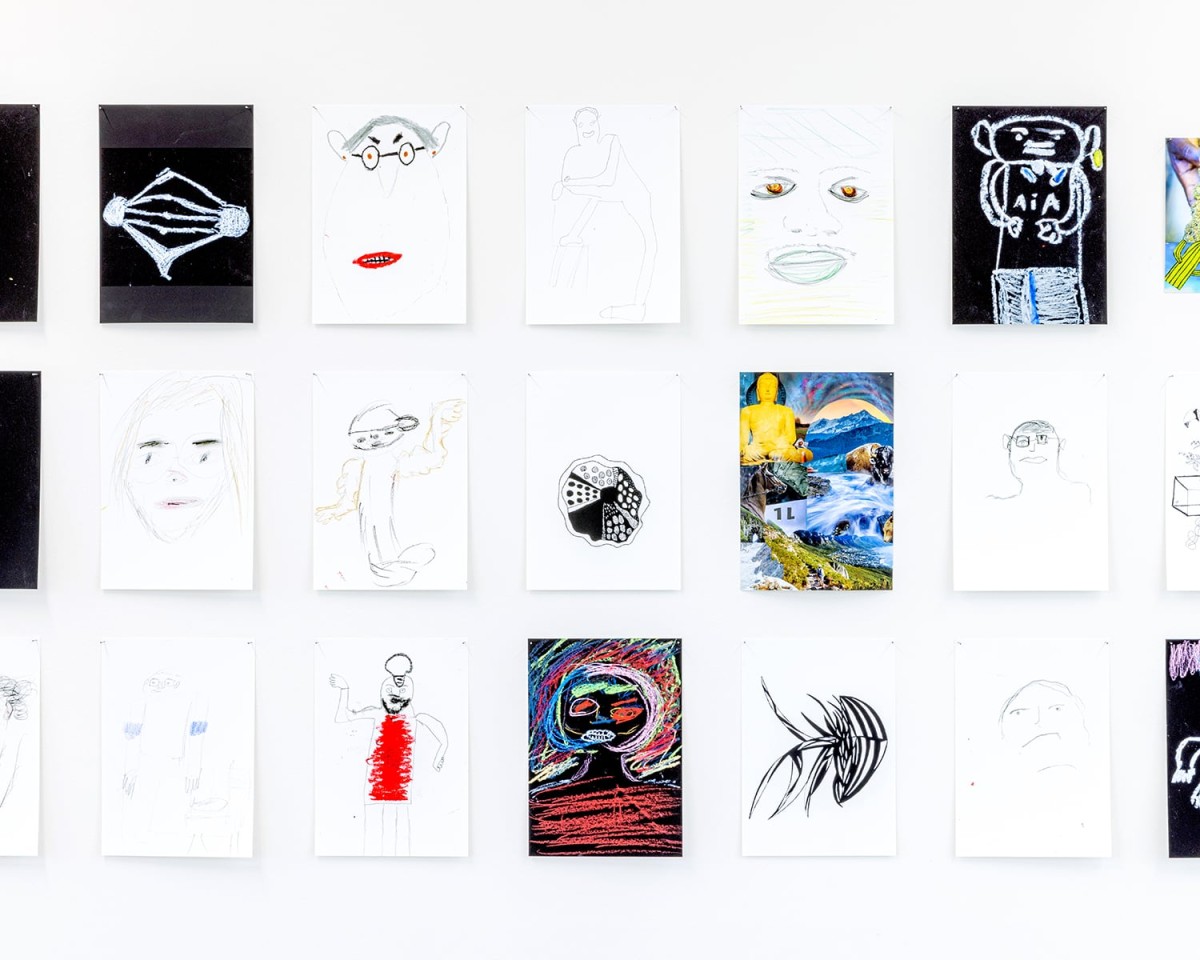
Reproduction of visual works created by inmates during 13 workshops held at Bois-Mermet Prison between January and May 2025, detail, photo: Théo Dufloo.
The project “Art Truck #010” was made possible thanks to the generous support of the Art Collection of the City of Lausanne (CAL), the Canton of Vaud, Destination vingt-sept, and the Stiftung für Kunst, Kultur und Geschichte (SKKG).